
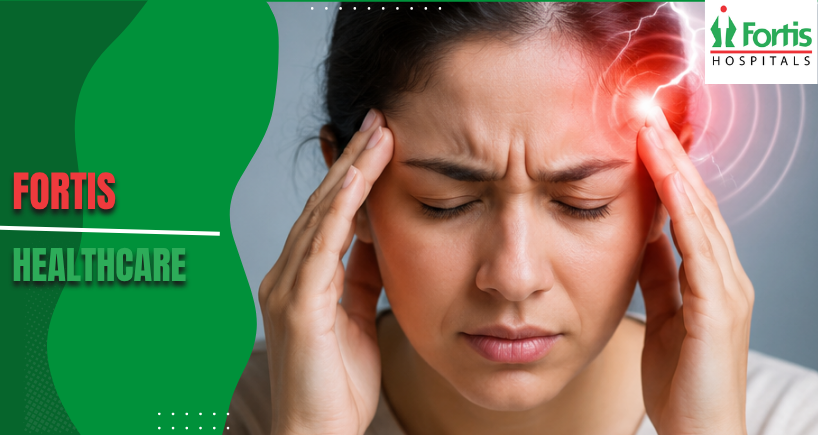


Migraine vs Normal Headache How to Know the Difference
Headaches are among the most common health complaints worldwide. While most headaches are temporary and improve with rest or medication, some can significantly affect quality of life. One of the most commonly misunderstood conditions is migraine, which is often mistaken for a "bad headache." However, migraines are much more than just severe head pain—they are a neurological disorder that can interfere with daily activities and overall well-being.
Understanding the difference between a migraine and a normal headache is important because the causes, symptoms, treatment, and long-term management are quite different.
What Is a Normal Headache?
A "normal" headache most commonly refers to a tension-type headache, which is the most frequently experienced headache among adults.
Tension headaches are usually triggered by everyday lifestyle factors, such as:
- Stress
- Poor sleep
- Eye strain
- Dehydration
- Long working hours
- Poor posture
- Skipping meals
Common Symptoms of a Normal Headache
A tension headache typically presents with:
- Mild to moderate pain
- A tight, pressure-like sensation around the forehead or scalp
- Pain affecting both sides of the head
- No nausea or vomiting
- Pain that does not usually worsen with routine physical activity
Most tension headaches improve with adequate hydration, rest, proper sleep, stress management, or over-the-counter pain medications.
What Is a Migraine?
Migraine is a neurological condition characterised by recurring episodes of moderate to severe headache, often accompanied by a range of symptoms affecting the brain and nervous system.
A migraine attack can last anywhere from 4 to 72 hours and may significantly interfere with work, family life, sleep, and day-to-day activities.
Common Symptoms of Migraine
Migraine symptoms vary from person to person, but commonly include:
- Severe throbbing or pulsating headache
- Pain often affecting one side of the head
- Sensitivity to light, sound, or strong smells
- Nausea and vomiting
- Blurred vision
- Dizziness
- Fatigue
- Difficulty concentrating
Some people also experience an aura before the headache begins. Aura is a temporary neurological disturbance that may include:
- Flashing lights
- Zig-zag lines
- Temporary blind spots
- Tingling or numbness in the face or limbs
- Difficulty speaking
Not everyone with migraine experiences aura, but when it occurs, it can serve as an early warning sign of an impending attack.
Migraine vs Normal Headache: Key Differences
What Causes Severe Headaches?
Not every severe headache is a migraine. Several medical and lifestyle factors can contribute to intense headache pain.
Common causes include:
- Migraine
- Tension headaches
- Sinus infections
- Sleep deprivation
- High fever
- Eye problems
- Dehydration
- Excessive screen time
- Uncontrolled high blood pressure
- Overuse of pain medications
While many headaches are not serious, certain symptoms require immediate medical attention.
Warning Signs You Should Never Ignore
Seek urgent medical evaluation if a headache is accompanied by:
- A sudden, severe "worst headache of your life"
- Weakness or paralysis
- Loss of consciousness
- Seizures
- Persistent vomiting
- Fever with neck stiffness
- A new headache beginning after the age of 50
- Head injury
- Sudden vision loss
- Confusion or altered behaviour
These symptoms may indicate conditions other than migraine, such as stroke, brain haemorrhage, meningitis, or other neurological emergencies.
Common Migraine Triggers
Migraine attacks are often triggered by specific lifestyle or environmental factors. Identifying personal triggers can help reduce the frequency of attacks.
Common migraine triggers include:
- Stress and anxiety
- Sleep deprivation
- Hormonal changes
- Certain foods such as processed meats, aged cheese, and chocolate
- Alcohol
- Strong odours
- Bright lights
- Loud noises
- Weather changes
- Skipping meals
Maintaining a headache diary can help identify patterns and guide preventive strategies.
Migraine Treatment
Migraine treatment depends on how often attacks occur, their severity, and how much they interfere with daily life.
Acute Migraine Treatment
The aim of acute treatment is to relieve symptoms as early as possible during an attack.
Treatment options may include:
- Resting in a quiet, dark room
- Staying well hydrated
- Over-the-counter pain relievers
- Anti-nausea medications
- Migraine-specific medications prescribed by a doctor
Preventive Migraine Treatment
People who experience frequent or disabling migraine attacks may benefit from preventive treatment to reduce the frequency and severity of episodes.
Preventive management may include:
- Prescription preventive medications
- Lifestyle modifications
- Regular sleep and meal schedules
- Stress management techniques
- Avoiding known migraine triggers
- Relaxation exercises and physical activity, where appropriate
When Should You See a Neurologist?
Occasional headaches are common, but medical evaluation is recommended if:
- Headaches become frequent or progressively worse
- Pain is severe enough to disrupt daily activities
- Over-the-counter medicines are needed frequently
- Headaches are associated with neurological symptoms such as weakness, vision changes, or speech difficulty
- Migraine attacks become more frequent or difficult to control
A neurologist can help determine the underlying cause, recommend appropriate investigations if required, and develop a personalised treatment plan.
The Bottom Line
Although migraines and tension headaches may appear similar, they are distinct conditions with different causes, symptoms, and treatment approaches. Recognising the differences is the first step towards effective management.
If headaches are becoming more frequent, more severe, or affecting your quality of life, do not ignore them. Early diagnosis, appropriate treatment, and healthy lifestyle habits can help reduce the burden of headaches and improve overall well-being.
Categories
Clear allMeet the doctor

- Neurology | Interventional Neurology | Neurology
-
 15 Years
-
 1500
1500
Related Blogs
View all







Quick Enquiry Form
FAQs

Keep track of your appointments, get updates & more!

